Preparing Your Boiler for Winter: A Complete Quide
Don't Wait for the Cold Snap
Every year, boiler engineers see the same pattern: a mild autumn followed by a sudden cold snap, and a flood of emergency call-outs from boilers that haven't run properly in months. Most of these are avoidable with some simple preparation before winter sets in.
Why Prepare Early
Boilers that have sat idle over spring and summer are far more likely to develop faults the moment they're pushed back into daily use. Catching problems in October beats discovering them in a freezing house in January.
Your Pre-Winter Checklist
1. Book a Service
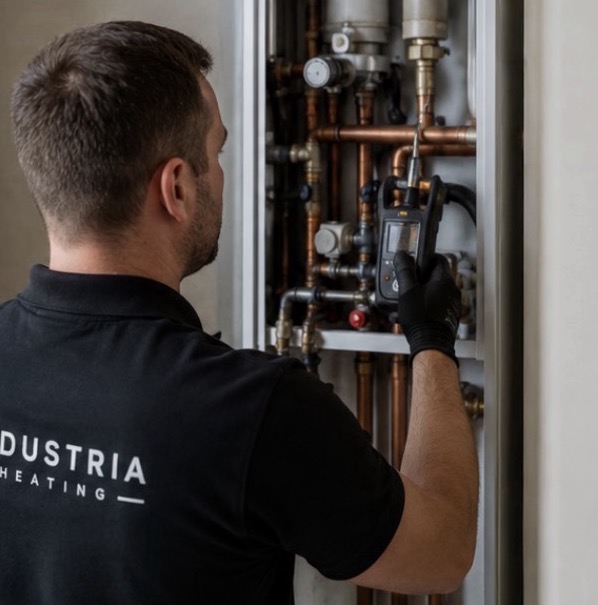
If you haven't had your annual service yet, autumn is the ideal time. It's the single best way to catch small issues before they become full breakdowns.
2. Bleed Your Radiators
Check each radiator is heating evenly from top to bottom. Bleed any that are cold at the top to remove trapped air and improve efficiency across the whole system.
3. Check Your Boiler Pressure
Your pressure gauge should typically read between 1 and 1.5 bar when the heating is off. If it's low, you may need to top up the system — check your boiler's manual for how to do this safely.
Insulate Exposed Pipework
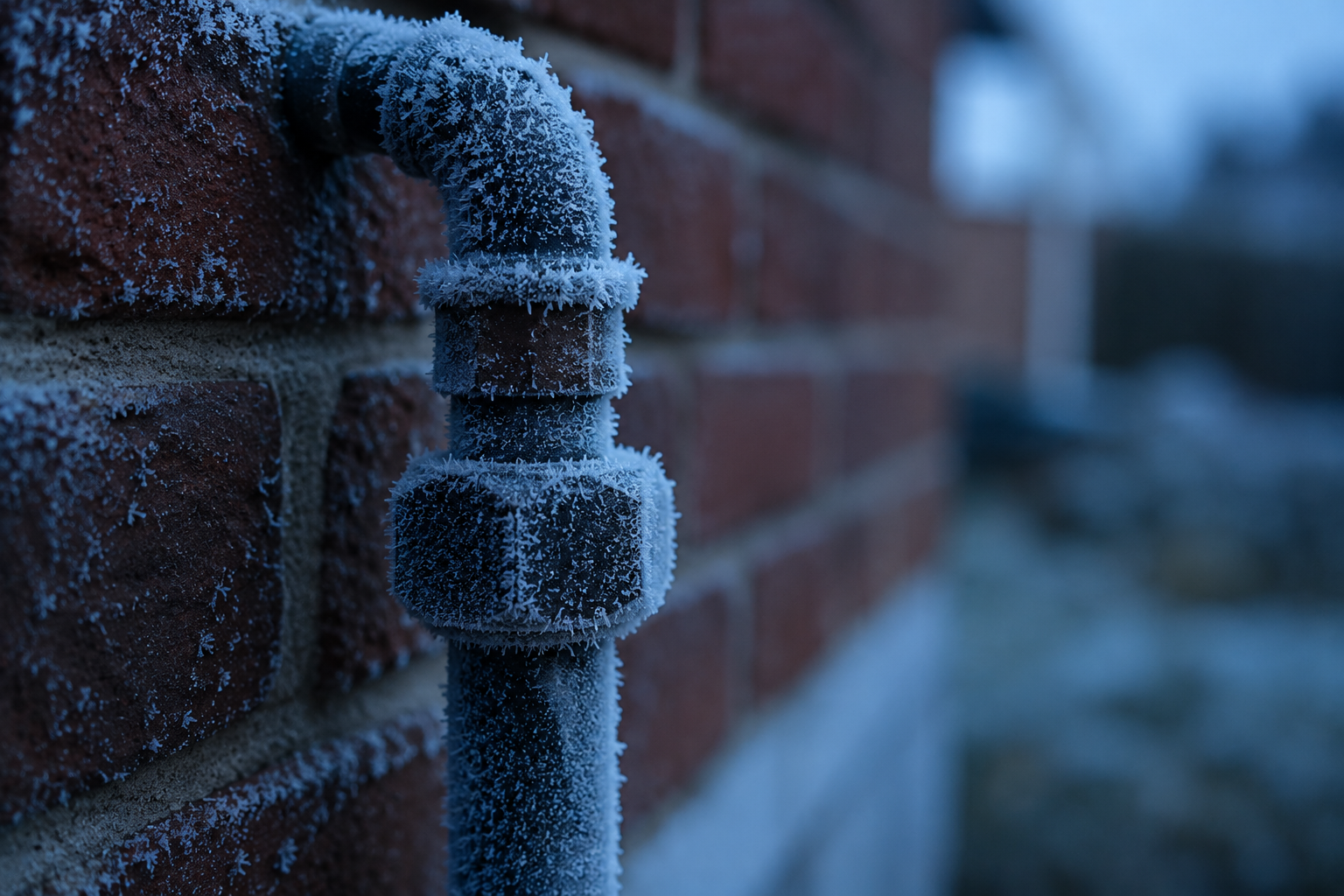
Pipes in unheated spaces — lofts, garages, under-floor areas — are at the highest risk of freezing once temperatures drop. Wrapping them in pipe lagging is inexpensive and can prevent a frozen or burst pipe entirely.
5. Know Your Condensate Pipe
Most modern condensing boilers have an external condensate pipe, and it's one of the most common causes of winter breakdowns when it freezes. Make sure yours is insulated, and know where it is in case you ever need to check it.
6. Test Your Thermostat and Controls
Make sure your thermostat, timer, and any smart controls are working correctly and set to a sensible schedule before you actually need them.
Quick Reference Checklist
- Annual service booked or completed
- All radiators bled and heating evenly
- Boiler pressure within the normal range
- Exposed pipes insulated
- Condensate pipe checked and lagged
- Thermostat and controls tested
- Know the location of your stopcock, in case of an emergency
A few hours of preparation now can save you a cold house and an emergency call-out fee later in the season.
Want it done properly and taken off your hands? Book a pre-winter check with our team, and we'll make sure your heating is ready before the temperature drops.
.png)
.png)
.png)